
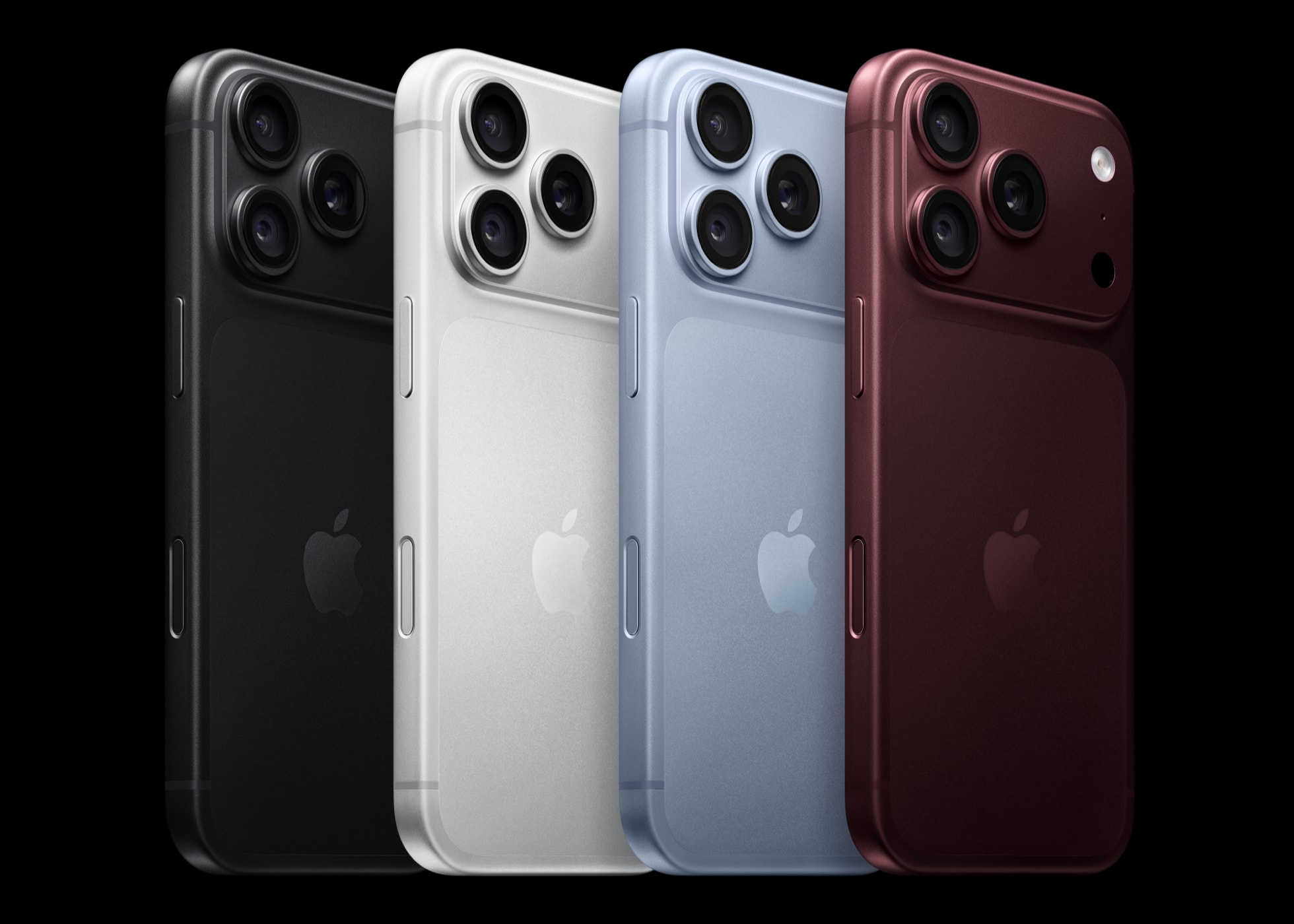
Apple’s iPhone 18 Pro is officially here, and it’s a genuinely strong upgrade. The 6.3-inch model starts at $1,199 for 256GB, runs on Apple’s first 2-nanometer chip (the A20 Pro), and finally gets a 48MP main camera with a proper variable aperture instead of a fixed one. Add Ceramic Shield 2, a redesigned vapor chamber for sustained performance, and iOS 27, and it’s easy to see why so many people are ready to hand over their money without a second thought.
But $1,199 is also flagship-Android money. For roughly the same budget, sometimes less, you can walk away with a phone that shoots a longer zoom, charges in a third of the time, or simply lasts two days on a charge without breaking a sweat.
This isn’t an argument that Android has “won.” The iPhone still does several things better, and we’ll get into exactly where. But if you’re the kind of buyer who’s willing to at least consider Android before typing your card number into Apple’s checkout page, these seven phones deserve fifteen minutes of your attention.
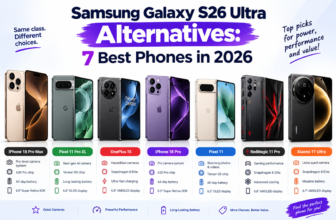
The 7 best Android alternatives to the iPhone 18 Pro
| Rank | Phone | Best For | Display | Main Camera | Battery | Charging | Starting Price* |
|---|---|---|---|---|---|---|---|
| 1 | Samsung Galaxy S26 Ultra | Best all-round flagship | 6.9″ Dynamic AMOLED 2X, 120Hz | 200MP + 50MP UW + 50MP 5x tele | 5,000mAh | 60W wired / Qi2 wireless | $1,299.99 |
| 2 | Xiaomi 17 Ultra | Photography and zoom | 6.9″ 1.5K LTPO AMOLED, 120Hz | 50MP + 50MP UW + 200MP tele (Leica) | 6,000mAh | 90W wired | $1,770 (global) |
| 3 | Google Pixel 11 Pro XL | Computational photography & updates | 6.8″ LTPO OLED, 120Hz | 50MP + 48MP UW + 48MP 5x tele | 5,115mAh | 45W wired / Qi wireless | $1,299 |
| 4 | OnePlus 15 | Performance, gaming and value | 6.78″ LTPO AMOLED, up to 165Hz | 50MP + 50MP UW + 50MP tele | 7,300mAh | 120W wired / 50W wireless | $899.99 |
| 5 | vivo X300 Pro | Zoom photography | 6.78″ LTPO AMOLED, 120Hz | 50MP + 50MP UW + 200MP Zeiss tele | 5,440mAh (global) | 90W wired / 40W wireless | $1,500 (global) |
| 6 | HONOR Magic8 Pro | Battery life and value | 6.71″ LTPO OLED, 120Hz | 50MP + 50MP UW + 200MP tele | 7,100mAh | 100W wired / 80W wireless | $1,000–1,100 |
| 7 | Huawei Pura 80 Ultra | Specialist camera hardware | 6.8″ LTPO OLED, 120Hz | 50MP (1″) + 40MP UW + dual tele | 5,170mAh | 100W wired / 80W wireless | €1,220–1,500 |
*Prices vary considerably by storage, region, and whether a phone is sold officially or imported. Treat these as a starting reference, not a guarantee of what you’ll pay locally.
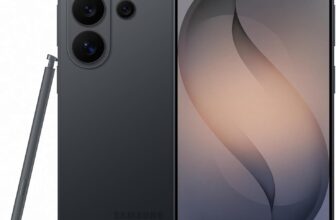
1. Samsung Galaxy S26 Ultra – the safest all-round alternative
Samsung’s Ultra line exists specifically to sit across from the iPhone Pro at checkout, and the S26 Ultra does that job better than anything else on this list.
What makes it a serious iPhone 18 Pro alternative
It’s not one standout feature, it’s that nothing about it feels compromised. You get a huge, sharp display, genuinely fast performance, a built-in S Pen, and Samsung’s One UI, which by now is arguably the most complete Android skin on the market. Samsung also sells it officially in more countries than almost any other phone on this list, including Nigeria, the UK and the US, which matters more than it sounds like it should.
Camera
The main camera is a 200MP sensor, paired with a 50MP ultrawide and a 50MP telephoto offering 5x optical zoom. In daylight, the extra resolution lets you crop in tight without photos turning to mush, and the telephoto is genuinely useful for everyday zoom shots, school events, wildlife, concerts, rather than just marketing-spec bragging rights. Video tops out at 8K/30fps. It’s not quite as refined as the iPhone in tricky mixed lighting, but it’s close, and it wins outright once you start zooming.
Performance
The S26 Ultra runs a custom “for Galaxy” version of Qualcomm’s Snapdragon 8 Elite Gen 5. In practice, that means smooth 120Hz scrolling everywhere, no stutter in heavy multitasking with the S Pen and split-screen apps, and enough headroom for demanding mobile games. Video editing on the move is genuinely viable, not just technically possible.
Battery and charging
A 5,000mAh battery is respectable rather than remarkable, and 60W wired charging is fine but not fast by 2026 Android standards, some rivals on this list more than double that speed. If all-day battery life without a midday top-up matters more to you than charging speed, this is still comfortably enough for most people.
Display and design
The 6.9-inch Dynamic AMOLED 2X panel is one of the best screens on any phone right now, hitting up to 2,600 nits of peak brightness and protected by Corning Gorilla Armor 2, which also cuts down on glare outdoors. It’s a big phone, this isn’t one you’ll comfortably use one-handed, but the weight and balance are well judged for the size.
Software
Samsung ships One UI 8.5 on top of Android 16, with a seven-year update commitment that now matches Google’s Pixel line. The software is dense there’s a setting for nearly everything, which some people love and others find overwhelming. If you’ve never used a Samsung phone, expect a short adjustment period.
What the iPhone 18 Pro still does better
Apple’s video recording remains the benchmark the rest of the industry is chasing, particularly for stabilization and color consistency when switching lenses mid-clip. App optimization on iOS is still a notch ahead for demanding creative software, and resale value on iPhones consistently beats Samsung’s, even a few years out. If you already own a MacBook, Apple Watch or AirPods, none of that convenience carries over to Samsung.
Who should buy it?
Buy this phone if: you want one Android phone that does nearly everything well, and the S Pen or a bigger screen genuinely appeals to you.
Skip it if: you’re deep into Apple’s ecosystem already, or you specifically want the fastest possible charging speed.
2. Xiaomi 17 Ultra – built for people who care about the camera above everything else
If your main hesitation about the iPhone 18 Pro is “but will the photos actually be better,” start here.
What makes it a serious iPhone 18 Pro alternative
Xiaomi has leaned entirely into photography with this phone, co-engineering the camera system with Leica rather than just slapping a badge on it. It’s also a genuine flagship everywhere else, Snapdragon 8 Elite Gen 5, a sharp 1.5K display, and a 6,000mAh battery that’s noticeably bigger than what Apple or Samsung offer.
Camera
The setup pairs a 50MP main sensor with a 50MP ultrawide and a 200MP Leica-tuned periscope telephoto. The telephoto is the star here: it’s built for shooting subjects far from you, a stage performer, a distant building, wildlife, without the smeary, artificial look that heavy digital zoom usually produces. Leica’s color science also gives photos a distinct, slightly warmer, film-like character that’s very different from the iPhone’s more neutral rendering, some people will prefer it, others won’t, and that’s genuinely a matter of taste rather than one being objectively “better.”
Performance
The Snapdragon 8 Elite Gen 5 puts this comfortably in the same performance bracket as the Galaxy S26 Ultra. Gaming, multitasking and video editing all feel effortless, and Xiaomi’s HyperOS is noticeably snappier than it was a couple of generations ago.
Battery and charging
A 6,000mAh battery (the China version gets an even bigger 6,800mAh cell) with 90W wired charging means long battery life and a genuinely quick top-up when you need one, you can get a meaningful charge back during a short coffee break rather than needing to plug in overnight.
Display and design
The 6.9-inch 1.5K LTPO AMOLED panel runs at 120Hz and is protected by Xiaomi’s own Dragon Crystal Glass 3. It’s bright, color-accurate, and well suited to editing photos on the phone itself, which matters if photography is your reason for buying it in the first place.
Software
HyperOS is capable and fast, but it’s a much bigger departure from iOS than Samsung’s or Google’s software, both visually and in how notifications and background apps are handled. If you’ve only ever used an iPhone, expect a real learning curve.
What the iPhone 18 Pro still does better
Video is again the iPhone’s strongest card, Xiaomi’s stills are extremely competitive, but its video stabilization and dynamic range don’t quite match Apple’s. Software support is shorter too; Xiaomi doesn’t publicly commit to anywhere near Apple’s or Google’s multi-year update runway. And availability is a real practical issue: the Xiaomi 17 Ultra isn’t officially sold in the US, and its presence in Nigeria is limited to importers rather than an official Xiaomi retail channel, so warranty support can be inconsistent.
Who should buy it?
Buy this phone if: photography, especially zoom photography, is the single biggest factor in your decision, and you’re comfortable buying outside Apple’s ecosystem.
Skip it if: you need official warranty support in your country, or you’re not willing to adjust to a very different software experience.
3. Google Pixel 11 Pro XL, for people who want great photos without thinking about it
Google doesn’t try to out-spec everyone else. It tries to make the phone think for you, and for a lot of buyers, that’s exactly what they want.
What makes it a serious iPhone 18 Pro alternative
The Pixel 11 Pro XL runs Google’s own Tensor G6 chip, built on a 2nm process, and pairs it with what might be the longest software support window in the entire Android world: seven years of OS and security updates, keeping this phone current through around 2033. That alone makes it worth comparing directly against the iPhone’s typical software longevity.
Camera
You get a 50MP main camera, a 48MP ultrawide, and a 48MP periscope telephoto offering 5x optical zoom and up to 120x digital “Pro Zoom.” The megapixel numbers aren’t the headline, though, Google’s computational processing is. Point, shoot, and the photo usually just looks right, with balanced exposure and natural skin tones, even in mixed lighting where other phones need manual adjustment to get a good result.
Performance
The Tensor G6 is competitive rather than class-leading on raw benchmarks, Google has never chased peak numbers the way Qualcomm-powered phones do. For everyday use, browsing, multitasking, and most games, it’s smooth. If you’re a serious mobile gamer chasing the highest possible frame rates in the most demanding titles, this isn’t the phone built for that.
Battery and charging
A 5,115mAh battery with 45W wired charging (getting you to roughly 75% in about 30 minutes with the right charger) is solid but not class-leading, several phones further down this list charge meaningfully faster.
Display and design
The 6.8-inch LTPO OLED display runs at up to 120Hz and is genuinely one of the better screens Google has made, with strong outdoor visibility. It’s a large phone, but it’s not the biggest one here.
Software
This is the phone’s real selling point. Stock Android 17, Google’s AI features baked in sensibly rather than bolted on, and that seven-year update commitment. If you want the “purest” Android experience with the least bloat, this is it.
What the iPhone 18 Pro still does better
Apple still leads decisively on video, especially for anyone shooting for social platforms where consistent, punchy color straight out of the camera matters. Gaming performance also favors the iPhone’s A20 Pro. And outside the US, UK and a handful of other markets, official Pixel availability is patchy, there’s no official Google retail presence in Nigeria, for instance, so buyers there are relying on importers.
Who should buy it?
Buy this phone if: you want excellent photos without fiddling with settings, and long-term software support matters to you. Check it out here
Skip it if: gaming performance is a priority, or you live somewhere without official Pixel sales and support.
Don’t Miss This
4. OnePlus 15 – the value and performance pick
Not every phone on this list is trying to beat the iPhone on camera prestige. The OnePlus 15 is making a different argument entirely: more phone for less money.
What makes it a serious iPhone 18 Pro alternative
At $899.99 to start, the OnePlus 15 costs roughly $300 less than the iPhone 18 Pro while running the same Snapdragon 8 Elite Gen 5 chip found in the Galaxy S26 Ultra and Xiaomi 17 Ultra, plus a genuinely enormous 7,300mAh battery. For buyers who don’t care about brand prestige, that’s a hard combination to argue with.
Camera
The triple 50MP setup (main, ultrawide, and a periscope telephoto) isn’t trying to be the best camera phone on this list, and it isn’t, but it’s a clear step up from budget flagships, capable of good photos in most conditions and solid 8K video. If photography is your absolute top priority, look higher up this list instead.
Performance
This is where the OnePlus 15 earns its keep. The Snapdragon 8 Elite Gen 5, combined with OnePlus’s typically light software overhead, makes it one of the snappiest Android phones you can buy, and OnePlus specifically tunes it for sustained high frame rates in supported games rather than performance that tails off after ten minutes.
Battery and charging
A 7,300mAh cell is enormous by any phone’s standards, and 120W wired charging (plus 50W wireless) means you can go from empty to nearly full in around 30 minutes. For heavy users, long commutes, hours of streaming, gaming on the go, this is arguably the single best reason to choose this phone over the iPhone.
Display and design
The 6.78-inch LTPO AMOLED display runs up to 165Hz in supported games and 120Hz for everyday use, protected by Gorilla Glass Victus 2. It’s sharp and fluid, if not quite as bright at its peak as Samsung’s or Xiaomi’s panels.
Software
OxygenOS 16 is fast and close to stock Android, with less bloatware than Samsung’s interface. OnePlus’s update commitment has historically trailed Samsung’s and Google’s, so if you keep phones for five-plus years, factor that in.
What the iPhone 18 Pro still does better
Camera quality is the clearest gap, the iPhone’s computational photography and video are simply more refined. OnePlus also doesn’t carry the same resale value or brand recognition, and its official retail footprint, while decent across the US, UK and EU, is thinner in markets like Nigeria compared to Samsung.
Who should buy it?
Buy this phone if: you want flagship-level speed and class-leading battery life without paying flagship-level prices. Check it out here.
Skip it if: camera quality is your main reason for spending this kind of money on a phone.
5. vivo X300 Pro – the zoom and battery specialist
Vivo doesn’t have Samsung’s brand recognition in most Western markets, but the X300 Pro’s camera system deserves a look regardless.
What makes it a serious iPhone 18 Pro alternative
Its headline feature is a 200MP Zeiss-branded periscope telephoto, a second, dedicated zoom camera rather than just a cropped-in main sensor, paired with a genuinely huge battery for its size. Vivo also sells an optional Zeiss 2.35x telephoto extender accessory that clips onto the camera for even longer reach, a feature nothing else on this list offers.
Camera
The 50MP main camera uses a large Sony sensor for strong low-light results, the 50MP ultrawide covers wide scenes well, and that 200MP telephoto is what sets the phone apart, it’s built specifically for reach rather than general-purpose photography. If you regularly photograph distant subjects, this telephoto system is genuinely more capable for that specific job than the iPhone’s.
Performance
MediaTek’s Dimensity 9500 is a strong, modern chip, competitive with Qualcomm’s latest in everyday use, though it doesn’t have quite the same track record in the most demanding games as the Snapdragon 8 Elite Gen 5 phones on this list.
Battery and charging
The global version ships with a 5,440mAh battery (the Chinese model gets a much bigger 6,510mAh cell), alongside 90W wired and 40W wireless charging. Even the smaller global battery comfortably outlasts the iPhone 18 Pro in day-to-day use, and the charging speed means topping up rarely takes more than half an hour.
Display and design
A 6.78-inch LTPO AMOLED display running at 120Hz, with a claimed peak brightness of up to 4,500 nits, makes it easy to read outdoors even in harsh sunlight.
Software
OriginOS is polished and includes Gemini integration, but Vivo’s global software support commitment is shorter than Samsung’s or Google’s, and it isn’t as widely reviewed or documented in English-language markets, which can make troubleshooting harder.
What the iPhone 18 Pro still does better
Software longevity and ecosystem integration are clear iPhone advantages here. Availability is the bigger issue, though: the X300 Pro isn’t officially sold in the US, and while Vivo has an official presence in parts of Europe, the Middle East and Asia, Nigerian buyers will mostly be relying on importers, which complicates warranty claims and after-sales support.
Who should buy it?
Buy this phone if: long-range zoom photography and big battery life matter more to you than brand familiarity or easy local support. Check it out here.
Skip it if: you want the reassurance of walk-in official support and a well-documented, widely reviewed software experience.
6. HONOR Magic8 Pro – battery life without sacrificing the flagship extras
HONOR doesn’t have the marketing budget of Samsung or the fan following of OnePlus, but the Magic8 Pro quietly does a lot right.
What makes it a serious iPhone 18 Pro alternative
It pairs a genuinely large battery with a surprisingly serious camera system, at a price that regularly undercuts the iPhone 18 Pro once you compare like-for-like storage.
Camera
The triple system uses a 50MP main sensor, a 50MP ultrawide, and, again, a 200MP periscope telephoto with 3.7x optical zoom and a large 1/1.4-inch sensor, which reviewers have specifically praised for low-light telephoto shots, a scenario that trips up most phones, including the iPhone. HONOR also fits a class-leading optical stabilization system for that telephoto lens.
Performance
Snapdragon 8 Elite Gen 5 again, so performance sits alongside the Galaxy S26 Ultra and Xiaomi 17 Ultra, this is not a phone that compromises on speed to hit its price point.
Battery and charging
A roughly 7,100mAh silicon-carbon battery, with 100W wired and 80W wireless charging, puts this near the top of the list for anyone who genuinely worries about running out of battery during the day.
Display and design
The 6.71-inch LTPO OLED panel is smaller than most rivals here, which some buyers will prefer for one-handed use, and reviewers have noted very high peak brightness for outdoor visibility.
Software
MagicOS 10, built on Android 16, is capable but less familiar to most Western reviewers and buyers than One UI or OxygenOS, and HONOR’s global update commitment is shorter than Samsung’s or Google’s.
What the iPhone 18 Pro still does better
Brand recognition and resale value are real gaps, HONOR phones simply don’t hold value the way iPhones do. Ecosystem accessories, official support infrastructure, and long-term software updates also favor Apple. HONOR doesn’t officially sell this phone in the US, and while it has retail partners across parts of Europe, the Middle East and Asia, its presence in Nigeria runs mainly through authorized resellers rather than a dedicated flagship storefront.
Who should buy it?
Buy this phone if: all-day (or two-day) battery life and a genuinely strong telephoto camera matter more to you than a familiar brand name. Check it out here.
Skip it if: you want the easiest possible access to accessories, official support, and strong resale value down the line.
7. Huawei Pura 80 Ultra – remarkable camera hardware, but understand the trade-offs first
This phone has to come with a warning label before anything else, so let’s get it out of the way: the global version has no Google Play Store, no Google Mobile Services, and no 5G. That’s a serious set of trade-offs, and it’s why the Pura 80 Ultra sits last on this list despite genuinely interesting hardware.
What makes it a serious iPhone 18 Pro alternative
Huawei has built one of the most unusual camera systems in the industry, a 1-inch main sensor paired with two separate optical telephoto cameras rather than one. If pure camera hardware, independent of the software situation, is what interests you, it’s worth understanding.
Camera
The quad-camera system pairs a 50MP main sensor (using a large 1-inch sensor for excellent low-light performance) with a 40MP ultrawide and two dedicated telephoto lenses, a 50MP camera at 3.7x optical zoom and a 12.5MP periscope at 9.4x optical zoom. Instead of relying on one telephoto and digital cropping to cover different distances, Huawei gives you two genuine optical zoom levels to choose from, which noticeably reduces the quality drop-off you’d normally see at longer ranges.
Performance
The Kirin 9020 chip is capable for everyday use but is built on an older manufacturing process than the Snapdragon and Tensor chips elsewhere on this list, and it trails them in sustained, demanding workloads like heavy gaming or long video exports.
Battery and charging
A 5,170mAh battery with 100W wired and 80W wireless charging is genuinely excellent on paper, among the fastest charging on this entire list.
Display and design
The 6.8-inch LTPO OLED display runs at 120Hz with up to 3,000 nits of peak brightness, and the phone carries IP68/IP69 water and dust resistance, matching or beating the iPhone’s durability rating.
Software
This is the dealbreaker for most people. The global version runs EMUI 15, a heavily modified take on Android, without Google Play Store or Google Mobile Services out of the box. Workarounds exist, but they’re inconsistent and can break with updates. There’s also no 5G on international units, you’re on 4G LTE only.
What the iPhone 18 Pro still does better
Almost everything outside the camera hardware itself: app availability, 5G connectivity, software familiarity, and long-term update support. It’s also not sold in the US at all, and it has no official presence in Nigeria, meaning anyone buying one locally is doing so entirely through importers, with no manufacturer warranty to fall back on.
Who should buy it?
Buy this phone if: you deeply understand and accept Huawei’s software limitations, and specialist camera hardware is worth that trade-off to you.
Skip it if: you rely on Google apps and services day to day, need 5G, or want any kind of official local support.
iPhone 18 Pro vs Android: where each side actually wins
Camera hardware: Xiaomi 17 Ultra and HONOR Magic8 Pro both push telephoto resolution and reach further than Apple attempts. The Pura 80 Ultra’s dual-telephoto setup is the most unusual approach here.
Zoom specifically: vivo X300 Pro and Xiaomi 17 Ultra, both built around dedicated 200MP telephoto cameras rather than digital cropping.
Computational, point-and-shoot photography: Google Pixel 11 Pro XL, this is the category Google has built its entire camera reputation on.
Video: the iPhone 18 Pro remains the one to beat. None of these seven phones fully close that gap yet, particularly for stabilization and consistent color when switching lenses mid-recording.
Raw performance: the Snapdragon 8 Elite Gen 5 phones (Samsung, Xiaomi, OnePlus, HONOR) are all extremely capable, but Apple’s A20 Pro, built on the same 2nm process, still holds a real edge in sustained, demanding workloads.
Battery: a clear Android win. The OnePlus 15’s 7,300mAh cell and HONOR’s roughly 7,100mAh battery dwarf what any current iPhone offers.
Charging speed: another clear Android win. OnePlus (120W) and HONOR (100W) can refill a phone in around 30 minutes; Apple’s charging remains far more conservative by comparison.
Display: Samsung’s S26 Ultra and Xiaomi’s 17 Ultra both offer very large, very bright panels that match or exceed the iPhone’s screen quality; it comes down to personal preference on size.
Software and ecosystem: this one is genuinely subjective. If you already own a Mac, Apple Watch or AirPods, the iPhone’s integration is hard to replicate. If you value customization and don’t mind switching platforms, Android, particularly Samsung or Google’s version of it, gives you far more control.
Value: the OnePlus 15 undercuts the iPhone 18 Pro by around $300 while matching its top rivals on raw performance, making it the strongest value argument on this list.
Which one should you buy?
Best overall alternative: Samsung Galaxy S26 Ultra
The Best camera: Xiaomi 17 Ultra
Best zoom camera: vivo X300 Pro
And Best for gaming: OnePlus 15
Best battery and charging: OnePlus 15 (battery) / HONOR Magic8 Pro (all-round charging speed)
The Best Android software experience: Google Pixel 11 Pro XL
Best value: OnePlus 15
Best for Apple users considering switching: Samsung Galaxy S26 Ultra, since its software is the most fully-featured and least likely to feel like a downgrade in any one area.
Price and value: what you’re actually paying for
None of these phones are cheap, but they land at very different points relative to the iPhone 18 Pro’s $1,199 starting price.
The OnePlus 15 is the clear value outlier, starting at $899.99, genuinely cheaper than the iPhone despite matching its top Android rivals on raw performance. The Galaxy S26 Ultra and Google Pixel 11 Pro XL land close to iPhone pricing, at $1,299.99 and $1,299 respectively for their base storage. The Xiaomi 17 Ultra, vivo X300 Pro, HONOR Magic8 Pro and Huawei Pura 80 Ultra all sit at or above iPhone pricing once you account for global (rather than domestic Chinese) pricing, and that’s before factoring in import costs if you’re buying one outside its official markets.
Prices vary considerably depending on the market and storage configuration, and official pricing in Nigeria, in particular, can differ meaningfully from US or European pricing once duties and local retailer margins are factored in.
Don’t Miss This
Availability: what buyers in Africa, the UK and the US need to know
This is where specification sheets stop telling the whole story.
Samsung Galaxy S26 Ultra and OnePlus 15 have the broadest official availability on this list, including established retail and warranty support in the US, UK and Nigeria.
Google Pixel 11 Pro XL is officially sold in the US and UK, but Google doesn’t operate an official retail or warranty channel in Nigeria, so local buyers are generally relying on imports.
Xiaomi 17 Ultra, vivo X300 Pro and HONOR Magic8 Pro are sold officially across parts of Europe, the Middle East and Asia, but none of them has an official US launch, and their presence in Nigeria runs through authorized resellers and importers rather than a dedicated brand storefront, meaning warranty coverage and after-sales service can be inconsistent.
Huawei Pura 80 Ultra is the most restricted of all seven: no US sales, no official Nigerian presence, no 5G on international units, and no Google Play Store or Google Mobile Services out of the box.
If you’re buying any of the last four phones outside their official markets, budget for import costs, confirm the unit supports your local carrier’s 4G/5G bands, check whether Google Play and Google services are supported (Huawei’s is the one clear exception here), and understand that manufacturer warranty support may not extend to your country.
Final verdict
The iPhone 18 Pro is a legitimately excellent phone, and if you’re already invested in Apple’s ecosystem, a Mac, an Apple Watch, AirPods, years of iCloud data, it remains the easier, lower-friction choice. Its video quality, app optimization and resale value are still genuinely hard for any single Android phone to match all at once.
But “should I buy the iPhone” is no longer a question with an obvious answer.
If you want the strongest overall Android experience with the fewest compromises, buy the Samsung Galaxy S26 Ultra. But If camera hardware is the whole reason you’re spending this kind of money, look at the Xiaomi 17 Ultra or vivo X300 Pro. And If you want excellent photos without thinking about settings and you plan to keep your phone for years, the Google Pixel 11 Pro XL is built for exactly that. If speed, gaming and battery life matter more than camera bragging rights, and you’d rather spend less doing it, the OnePlus 15 is the easiest recommendation on this list. And if all-day battery life is your actual daily frustration, the HONOR Magic8 Pro solves it directly.
There’s no single winner here, and there shouldn’t be. The right phone is the one that fixes whatever actually bothers you about your current one, and for a lot of people, that phone doesn’t have an Apple logo on the back anymore.
Frequently asked questions
What is the best Android alternative to the iPhone 18 Pro?
For most buyers, the Samsung Galaxy S26 Ultra is the safest recommendation, it’s officially available in more markets than most of its rivals, matches the iPhone closely on hardware, and adds features like the S Pen that Apple doesn’t offer. If camera quality specifically is your priority, the Xiaomi 17 Ultra is the stronger pick.
Which Android phone has the best camera compared with the iPhone 18 Pro?
The Xiaomi 17 Ultra and vivo X300 Pro both build their entire camera systems around a dedicated 200MP telephoto lens, giving them a genuine zoom advantage over the iPhone’s fixed telephoto. For everyday point-and-shoot photography, the Google Pixel 11 Pro XL’s computational processing is arguably more consistent.
Is Samsung Galaxy S26 Ultra better than iPhone 18 Pro?
Neither is universally better, it depends what you value. Samsung offers a larger, brighter display, an included S Pen, faster zoom photography and broader Android customization. Apple offers stronger video recording, tighter ecosystem integration if you already own other Apple devices, and typically stronger resale value.
Which Android phone has the best battery life?
The OnePlus 15’s 7,300mAh battery and the HONOR Magic8 Pro’s roughly 7,100mAh cell are the standouts here, both comfortably outlasting the iPhone 18 Pro and every other phone on this list in day-to-day use.
Which Android phone charges faster than the iPhone 18 Pro?
Most of them. The OnePlus 15 supports 120W wired charging, and both the HONOR Magic8 Pro and Huawei Pura 80 Ultra support 100W wired and 80W wireless charging, all considerably faster than Apple’s charging speeds.
Are these Android phones available in Nigeria?
Availability varies a lot. Samsung and OnePlus have the most established official presence in Nigeria. Google’s Pixel line has no official Nigerian retail channel. Xiaomi, vivo and HONOR are generally available through authorized resellers and importers rather than dedicated brand stores. Huawei’s Pura 80 Ultra has no official Nigerian presence at all. Before buying any imported flagship, check network band compatibility, warranty terms, and whether Google services are supported.
Should I buy an iPhone 18 Pro or an Android flagship?
If you’re already committed to Apple’s ecosystem, the iPhone 18 Pro remains the lower-friction choice. If you care more about zoom photography, charging speed, battery capacity, or getting more phone for less money, one of these seven Android flagships is likely to serve you better, and in the case of the OnePlus 15, for less than Apple is asking.