
Product Overview
TL;DR: The Anker Nano MagSafe Power Bank represents a new generation of portable charging solutions designed specifically for iPhone users who demand convenience without bulk. This Qi2-certified magnetic wireless charger com…
Table of Contents
- Product Overview
- Key Features and Benefits
- Ultra-Slim Design for Portability
- Qi2 Certification and 15W Fast Charging
- Advanced Temperature Management
- Dual Charging Options
- Pros and Cons
- Advantages
- Limitations
- Who This Product Is Best For
- Who Should Consider Alternatives
- Comparison Insights
- Frequently Asked Questions
- How many times can this power bank fully charge my iPhone?
- Will this work with my phone case?
- Can I charge the power bank while it’s charging my phone?
- How long does it take to recharge the power bank itself?
- Does this support StandBy mode on iOS 17+?
- Is it safe to use while sleeping or overnight?
- In Conclusion
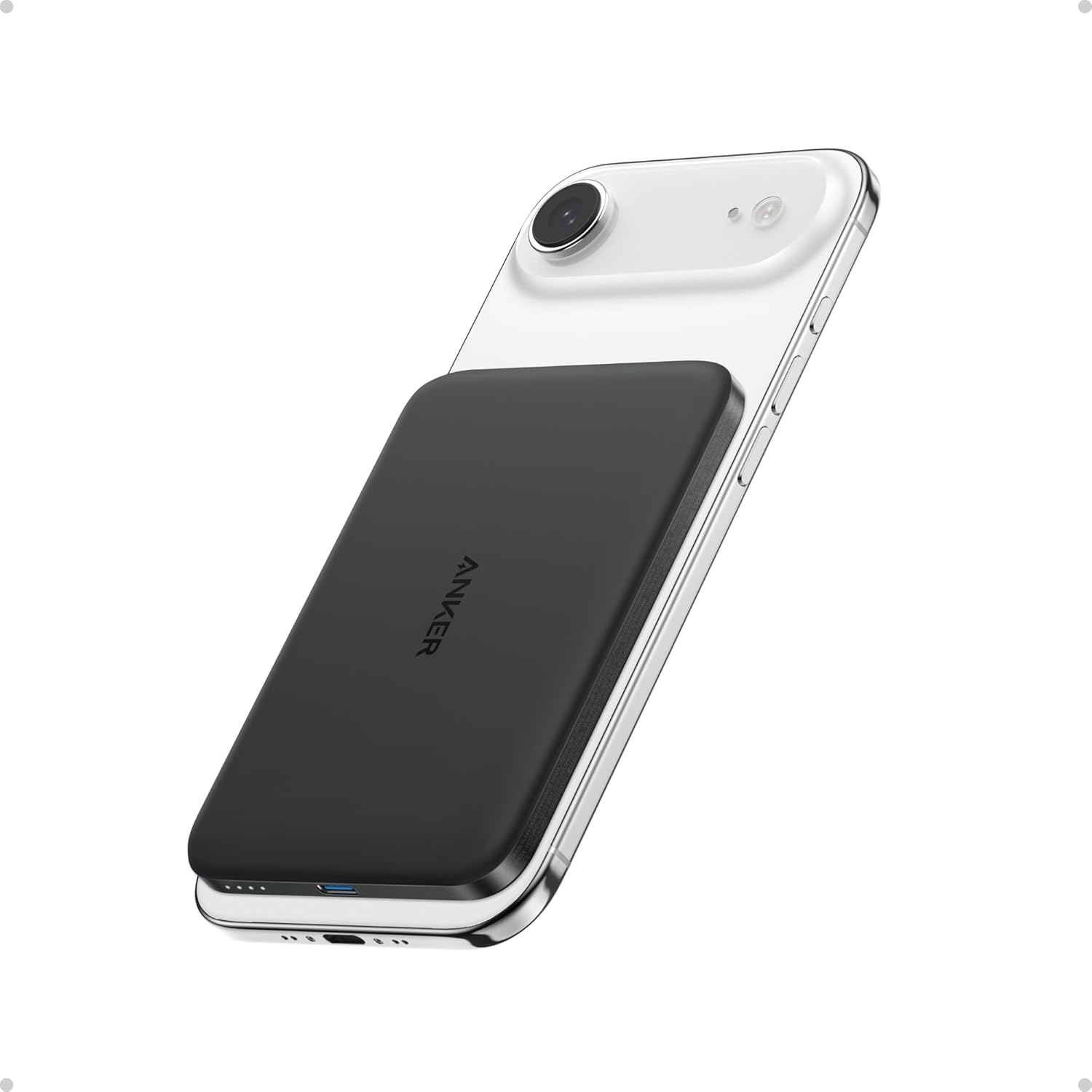
The Anker Nano MagSafe Power Bank represents a new generation of portable charging solutions designed specifically for iPhone users who demand convenience without bulk. This Qi2-certified magnetic wireless charger combines a remarkably slim profile—just 0.3 inches thick—with 5,000mAh of battery capacity, positioning itself as a practical daily carry option for iPhone Air, 17, and 16 series users.
What sets this power bank apart from traditional portable chargers is its magnetic attachment system and Qi2 certification, which ensures reliable wireless charging performance. The device delivers up to 15W of fast wireless charging power while maintaining cooler operating temperatures through advanced thermal management technology.
This review examines the Anker Nano Power Bank’s real-world performance, design practicality, and whether it justifies a place in your tech accessory lineup.
Key Features and Benefits
Ultra-Slim Design for Portability
At 0.3 inches thin, this power bank prioritizes portability over maximum capacity. The slim profile means it can slip into pockets, small bags, or even attach to your iPhone without creating significant bulk. For users who value minimalism and convenience over all-day charging capacity, this design choice makes practical sense.
The magnetic attachment system allows the power bank to snap securely onto the back of compatible iPhones, creating a unified device that you can use while charging. This hands-free charging capability differentiates it from traditional cable-based power banks that tether your phone during use.
Qi2 Certification and 15W Fast Charging
The Qi2 certification is significant because it represents the latest wireless charging standard, ensuring compatibility and optimal performance with newer iPhone models. According to Anker’s internal testing, the power bank can charge an iPhone 16 Pro to 25% in approximately 42 minutes when delivering its maximum 15W wireless output.
It’s important to note that actual charging speeds will vary based on factors like phone case thickness, ambient temperature, and your iPhone’s current battery level. Wireless charging inherently operates at lower efficiency than wired charging, so expectations should be calibrated accordingly.
Advanced Temperature Management
One of the more impressive engineering features is the thermal control system. Anker claims the device stays below 104°F during operation—reportedly 14 degrees cooler than industry standards. This is achieved through:
- Graphene cooling technology that disperses heat more effectively
- Dual NTC (Negative Temperature Coefficient) chips that monitor temperature in real-time
- Smart heat control algorithms that adjust charging rates to prevent overheating
Cooler operation not only improves safety and comfort during handling but also extends the lifespan of both the power bank’s battery and your iPhone’s battery over time.
Dual Charging Options
While the magnetic wireless charging is the headline feature, the power bank also includes a USB-C port capable of up to 20W output. This wired option provides faster charging when you don’t need the convenience of wireless attachment, and it allows you to charge non-MagSafe devices as well.
The USB-C port also serves as the input for recharging the power bank itself, and the included USB-C to USB-C cable means you can get started immediately without purchasing additional accessories.
Pros and Cons
Advantages
- Exceptionally portable: The 0.3-inch thickness makes it one of the slimmest magnetic power banks available, ideal for pocketability
- Qi2 certified: Future-proof wireless charging standard ensures optimal compatibility with current and upcoming iPhone models
- Effective thermal management: Stays noticeably cooler during use compared to competing products, improving safety and comfort
- Dual charging modes: Wireless convenience when needed, faster wired charging via USB-C when speed matters
- Strong magnetic attachment: Securely holds to compatible iPhones without slipping during normal use
- 24-month warranty: Above-average warranty period demonstrates manufacturer confidence in product durability
- Complete package: Includes charging cable, eliminating the need for immediate additional purchases
Limitations
- Limited capacity: 5,000mAh provides less than one full charge for most modern iPhones, making it suitable for emergency top-ups rather than extended use
- iPhone-centric design: While it can charge other Qi-compatible devices, the magnetic feature and form factor are optimized specifically for iPhones
- Wireless charging efficiency: Energy loss during wireless charging means the effective capacity is lower than the rated 5,000mAh
- Case compatibility concerns: Thick or non-MagSafe cases may prevent proper magnetic attachment or reduce charging efficiency
- Single device charging: Cannot charge multiple devices simultaneously despite having both wireless and wired options
- Price consideration: Magnetic power banks with advanced features typically cost more than basic wired alternatives with similar capacity
Don’t Miss This
Who This Product Is Best For
The Anker Nano MagSafe Power Bank suits specific user profiles particularly well:
Daily Commuters and Light Users: If you need a safety net for occasional battery anxiety during your workday or commute, the 5,000mAh capacity provides enough power for essential top-ups without weighing down your pocket or bag.
Minimalist Tech Enthusiasts: Users who prioritize sleek, compact accessories over maximum battery capacity will appreciate the ultra-slim design that doesn’t compromise everyday carry convenience.
iPhone 16/17 Series Owners: The Qi2 certification and MagSafe compatibility make this an ideal match for recent iPhone models, ensuring optimal charging performance and secure magnetic attachment.
Frequent Travelers (Short Trips): For day trips, business meetings, or short outings where you need backup power without carrying bulky accessories, this power bank strikes a practical balance.
Heat-Conscious Users: If you’ve experienced uncomfortably warm power banks in the past, the advanced thermal management system addresses this common complaint effectively.
Who Should Consider Alternatives
This power bank may not be the right fit for:
Heavy Phone Users: If you regularly drain your iPhone battery completely during the day, a 5,000mAh capacity won’t provide sufficient backup power. Consider higher-capacity options (10,000mAh or above) instead.
Multi-Device Users: Those who need to charge phones, tablets, earbuds, and other devices simultaneously should look for power banks with multiple ports and higher capacity.
Android Users: While Qi-compatible Android phones can charge wirelessly on this device, the magnetic attachment feature won’t work, and you’d be paying for functionality you can’t fully utilize.
Budget-Conscious Shoppers: If price is your primary concern and you don’t need magnetic attachment or advanced thermal features, basic USB-C power banks offer more capacity per dollar.
Thick Case Users: If you prefer rugged or heavily protective iPhone cases, the magnetic connection may not work properly, negating the primary convenience feature.
Comparison Insights
Within the magnetic power bank category, the Anker Nano competes primarily on its slim profile and thermal management rather than capacity. Many competing products offer 10,000mAh at similar price points but with noticeably thicker designs.
The Qi2 certification gives this Anker model a technical advantage over older MagSafe-compatible power banks that use the previous Qi standard. This certification ensures more consistent charging speeds and better alignment detection.
Compared to Apple’s own MagSafe Battery Pack, the Anker Nano typically offers better value with higher capacity and the addition of a USB-C port for wired charging, though direct price comparisons should be made at the time of purchase.
The 24-month warranty period exceeds the industry standard 12-18 months, providing additional peace of mind regarding long-term reliability.
Frequently Asked Questions
How many times can this power bank fully charge my iPhone?
The effective charge depends on your specific iPhone model and wireless charging efficiency losses. For an iPhone 16 Pro with a battery around 3,500mAh, expect approximately 0.8 to 1 full charge. Smaller iPhone models like the iPhone 16 may receive slightly more than one full charge, while larger Pro Max models will receive less.
Will this work with my phone case?
The power bank works best with MagSafe-compatible cases or without a case. Thin non-magnetic cases (under 3mm) may still allow charging but with reduced efficiency. Thick cases, wallet cases, or cases with metal components will likely prevent proper function.
Can I charge the power bank while it’s charging my phone?
This information is not publicly available in the provided product specifications. Consult the user manual or contact Anker customer service for pass-through charging capabilities.
How long does it take to recharge the power bank itself?
With a 20W USB-C charger, recharging time should be approximately 1.5 to 2 hours, though exact times are not specified in the available product information. Using lower-wattage chargers will extend recharge time proportionally.
Does this support StandBy mode on iOS 17+?
While the power bank provides power wirelessly, specific StandBy mode functionality details are not confirmed in the available specifications. The magnetic attachment should maintain proper orientation for StandBy, but testing with your specific setup is recommended.
Is it safe to use while sleeping or overnight?
The thermal management system and temperature protection features are designed for safe operation. However, as with any electronic device, it’s generally advisable to charge devices in well-ventilated areas and avoid covering them with blankets or pillows during charging.
In Conclusion
The Anker Nano MagSafe Power Bank excels at what it’s designed to do: provide convenient, portable emergency charging for iPhone users who value slimness and thermal comfort over maximum capacity. The Qi2 certification, advanced cooling system, and genuinely pocketable design make it a well-engineered solution for specific use cases.
This is not a power bank for multi-day adventures or heavy users who need multiple full charges. Instead, it’s a daily carry companion that eliminates battery anxiety during normal use—the difference between your phone dying at 6 PM versus making it comfortably through your evening plans.
The 24-month warranty, included cable, and dual charging options add tangible value beyond the core wireless charging function. If you own an iPhone 16 or 17 series and frequently find yourself needing just a bit more battery to get through the day, this power bank addresses that need without adding significant bulk to your everyday carry.
For those who need maximum capacity or multi-device charging, this isn’t the right choice. But for iPhone users seeking the most portable magnetic charging solution with excellent thermal performance, the Anker Nano represents a thoughtfully designed option worth considering.
Check current availability and customer reviews on Amazon to see if this power bank fits your specific charging needs and budget.