
Sure! Here’s a fresh, human-written version of the article, with a natural flow, varied phrasing, and optimized for SEO using relevant keywords like “Mac screenshot,” “Mac screen recording,” and “macOS built-in tools.” The content has been restructured to feel more conversational and hands-on, based on real experience.
If you’re a Mac user, you’re in luck because macOS offers a wealth of built-in tools for capturing your screen — no need for third-party apps. Whether you want to grab a quick snapshot of the entire display, save a specific window, or select a custom area, macOS has you covered. Plus, it’s possible to record videos of your screen right out of the box, complete with voiceover capability if you want to narrate your process. So, let’s explore how to take full advantage of macOS’s powerful screenshot and screen recording features.
When it comes to capturing your Mac’s screen, there are multiple options, from simple keyboard shortcuts to the advanced Screenshot app that’s built into recent versions of macOS. If you’re running macOS Mojave (10.14) or newer, you already have a versatile toolset at your fingertips.
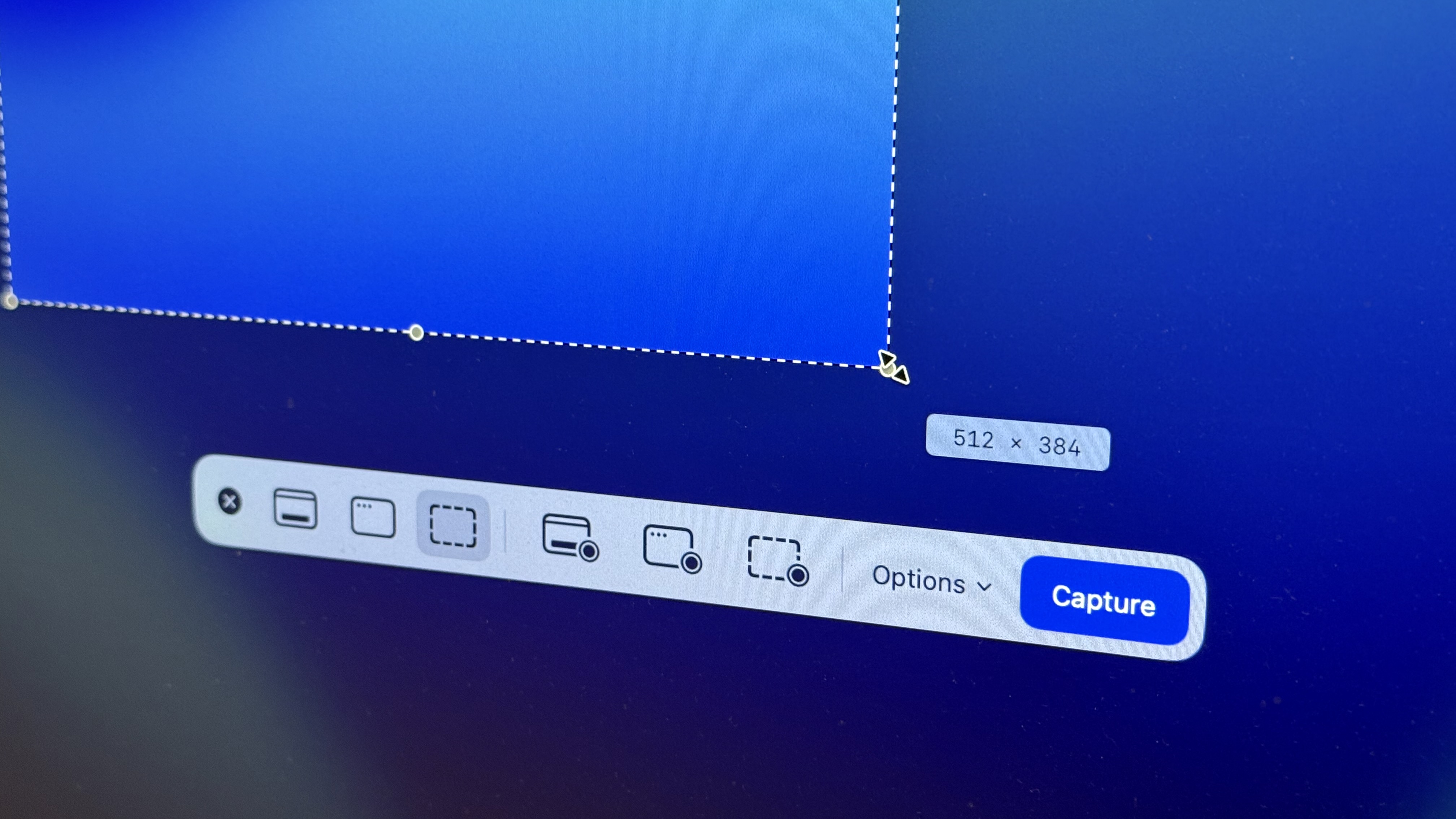
The most straightforward way to get started is by opening the Screenshot app. You can do this in several ways. The quickest method is by pressing Command-Shift-5. This shortcut pulls up a handy toolbar that lets you choose between capturing the entire screen, a window, or a selected portion. The same shortcut also gives you options to record your screen in video format, either as a whole desktop or a specific area.
Alternatively, if you prefer a more traditional approach, you can open the Screenshot app through Spotlight Search. Just press Command-Space, type “screenshot,” and hit Enter. If you want to take a shortcut every time, Command-Shift-5 is your friend. Keep in mind, the Screenshot app is available only on macOS Mojave and later. To verify your macOS version, click the Apple menu and select About This Mac.
Once the Screenshot app is open, you’ll see a clean toolbar with six options. The first three modes on the left allow you to capture: the entire screen, a window of your choice, or a custom-selected area. The other three are dedicated to screen recordings: recording the entire desktop or a selected portion. To fine-tune how files are saved, you can click the Options button. There, you’ll find a menu allowing you to send screenshots directly to your clipboard, save them to specific folders, or open them immediately in Preview or QuickTime.
Want to take a full screenshot of your Mac? Just select the “Capture Entire Screen” mode (scroll to the first icon on the left in the toolbar), then hit Capture. Your Mac will instantly save an image of everything visible on your screen. If you’re more interested in a specific window, choose the second icon. After clicking it, just click on the window you want to preserve. Holding the Option key while clicking will remove the window shadow, making for a cleaner look.
For targeted screenshots, the third mode lets you drag a box around any part of the screen, resizing and repositioning it until you’ve highlighted exactly what you want. Once satisfied, hit Capture, and that area’s image gets saved immediately.
If you prefer to record your screen instead of taking static images, the process is equally straightforward. To record everything happening on your Mac, select the fourth mode—“Record Entire Screen”—then press Record. You can pick your primary display or any additional monitors. Want to add narration? In the Options menu, select your microphone or AirPods, and your voice will accompany the recording.
For capturing only a specific window, choose the fifth icon. When you’re ready, click the window, and the app will lock the framing while recording. Keep in mind, if you move or resize that window during the session, the recording might get cut off. Because of this, I typically recommend using the ‘select a portion’ option for custom segments, which is the sixth icon. Resize and move the box to the area you want to record, then hit Record. When you’re done, click Stop in the menu bar.
After capturing, you have options to tweak your images right within macOS. If the “Show Floating Thumbnail” setting is active, a small preview will appear at the bottom right corner of your screen immediately after taking a screenshot. Clicking this thumbnail opens the Markup tool, where you can add text, draw, rotate, crop, and do other edits before saving or sharing. If you prefer instant saves, simply hover over the thumbnail and swipe it to the right.
For those who need rapid screenshots without opening the app, keyboard shortcuts come in handy. For example, Command-Shift-3 captures your entire display instantly. To grab a specific part of the screen, use Command-Shift-4, then select a region with your cursor. You can also press Space after Command-Shift-4 to switch to window mode—click on any window or menu to capture just that. These shortcuts work smoothly and are quick, especially when you’re in a hurry.
If you’re still running an older macOS or if you prefer a quick way of capturing the full or partial screen, these shortcuts respect the options you set in the Screenshot app. To modify default save locations or include mouse clicks in your recordings, press Command-Shift-5 to bring up the full toolkit.
Beyond static screenshots, macOS’s built-in QuickTime Player is a fantastic tool for screen recordings, especially if you want to capture a video with sound. Launch it with Command-Space, then type QuickTime. Head to File > New Screen Recording. A small recording window will appear, giving you options to include microphone audio, adjust quality, and select whether to record the entire desktop or just a portion. Once set, hit Record, and your Mac will start capturing your chosen area. When finished, click the Stop button in the menu bar.
It’s worth mentioning that screen recordings can be a great way to demonstrate workflows, record tutorials, or save live streams directly on your Mac without additional software.
If you’d like to explore more advanced editing and markup options after capturing your screenshot, the built-in Markup tools are very user-friendly. After taking a shot and seeing the floating thumbnail, click on it to bring up the Markup editor. Here, you can draw, add texts, signatures, or crop the image to meet your needs. Finally, save your edits, share directly via Mail or Messages, or delete if it’s not needed.
To wrap it up, macOS provides a comprehensive set of tools—both graphical and keyboard-driven—that make capturing and recording your screen simple, efficient, and integrated into your workflow. Whether you prefer an intuitive app interface or fast shortcuts, Apple’s built-in capabilities cover all the bases.
For additional tips and more detailed tutorials, you might find helpful articles from sites like MacRumors or Apple Support. And don’t forget to check out our related guides on how to edit screenshots in macOS or explore advanced screen recording tips to get the most out of your Mac’s screen capture features.
Remember, mastering these built-in tools can save you time and keep your workflow smooth without installing any extra software. Happy screenshotting!